- Home
- Homes
Homes
Houses in San Angelo and the towns around it, with a file that follows the equipment rather than the memory of whoever was last out.
01
What people call about
- It is not coolingCapacitor, contactor, a tripped safety, a coil loaded with dust, or a float switch doing its job. Common parts are carried; anything else gets a written price and a timescale.
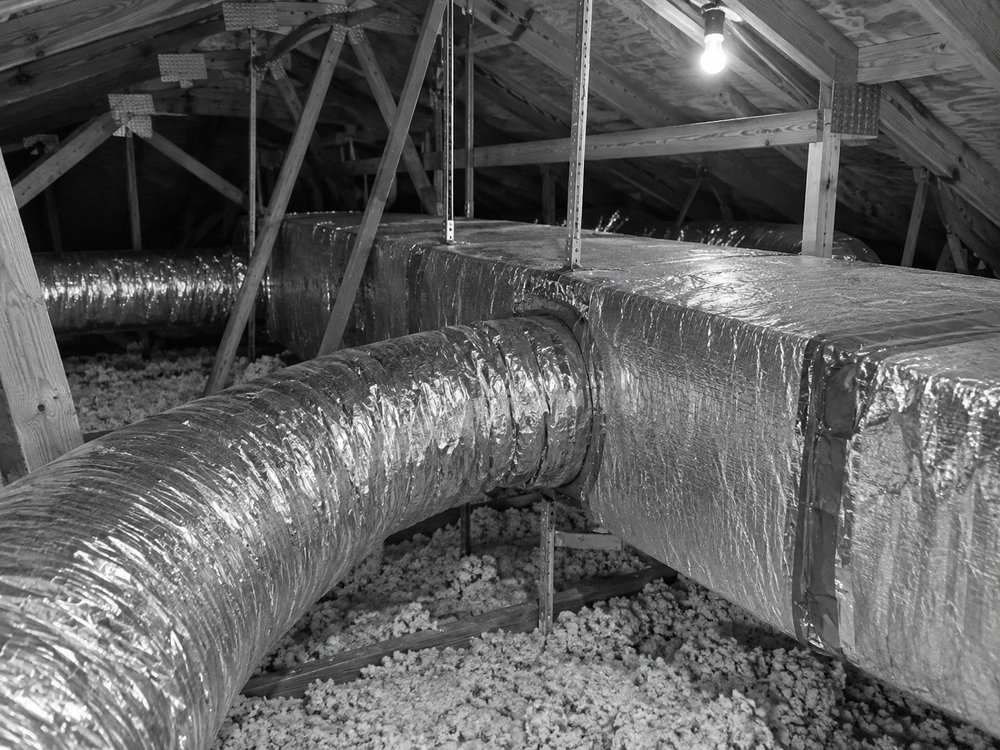
- It cools but the bill climbedUsually a dirty coil, restricted airflow, or duct losses in an attic that reaches well over 120°F in July. All measurable, none of them a new system.
- Water where it should not beBlocked condensate or a secondary pan taking over. Worth dealing with before a ceiling is involved.
- No heat on the first cold nightFilter, flame sensor, pressure switch or ignition. Cheap parts, and exactly what an October check exists to find.
- A new noiseBearings, a loaded blower wheel or a loose panel. New noises do not settle down.
- It is old — what now?We read the file. Age on its own decides nothing; a serviced fifteen-year-old system is a better bet than a neglected eight-year-old one.
02
What a house file contains
After the first visit you have a document, not just a repair. It lists what is installed, where every isolator and shutoff is, what we measured, what we changed and what we expect to need doing.
It matters most at the two moments nobody plans for: when something fails on a Sunday and somebody unfamiliar has to work on it, and when you sell the house and a buyer's inspector asks a question you cannot answer.

03
Two calls that go elsewhere first
- A carbon monoxide alarm soundingEverybody out of the house, then call 911 or the gas utility from outside. Not us first, and do not go back in to open windows.
- A smell of gasThe same. Leave the appliance alone, get out, and ring from outside.
Once it has been made safe we will come and find out what caused it, and that goes in the file too.
04
Airflow, written down before and after
Most comfort complaints here are airflow rather than capacity, and airflow is the one thing anybody can settle with an instrument. We measure at the registers before the work and again afterwards, and both figures go in the file.
It means the work has a number attached rather than a promise — and it means the next person to open the file knows what the house was doing in 2026.